


Reservoir Engineer Schlumberger ประสบการณ์สัมภาษณ์ – โดยมากแล้ว Reservoir engineer จะทำงานกับ บ.น้ำมันเป็นส่วนใหญ่ เพราะต้องดูแลเรื่องการผลิตจะแหล่งกักเก็บ อันเป็นอู่ข้าวอู่น้ำของบ.น้ำมัน
อย่างไรก็ตาม สำหรับ บ.services ใหญ่ๆ ที่มีบริการให้เช่า เครื่องมือหยั่งธรณี ซอฟแวร์ และ การทดสอบหลุม จำเป็นต้องมี Reservoir engineer เพื่อที่จะพัฒนา และ ทำการตลาดผลิตภัณฑ์ และ บริการเหล่านั้นเช่นกัน
Reservoir Engineer Schlumberger
ประสบการณ์สัมภาษณ์
ตำแหน่ง borehole reservoir engineer ของ slb
ผมเข้าสัมภาษณ์สองวันนะครับ วันแรกสัมภาษณ์กับผู้จัดการและฝ่ายบุคคลพร้อมกัน ทั้งสองท่านเป็นคนไทยแต่เราคุยกันเป็นอังกฤษนะครับ
- 1. introduce yourself in English
- 2. ถามเกี่ยวกับที่เรียนมา project ที่ทำมา ถ้างานกลุ่มรับผิดชอบตำแหน่งอะไร
- 3. งานที่เคยผ่านมา ลักษณะงาน ขอบเขตงานที่ทำ สิ่งที่ชอบและสิ่งที่ไม่ชอบในการทำงาน
- 4. เทคนิคที่เคยใช้ในการทำ reservoir evaluation แล้ว interpret data ได้มั้ย
- 5. ไป filed ได้มั้ย ทำงานดึก เสาอาทิตย์ ได้มั้ย
วันที่สอง technical interview กับผู้จัดการ เท่าที่จำได้
- 1. please tell me about yourself
- 2. tell me about Darcy flow. เราสามารถเขียนวาดภาพแล้ว derive สมการให้เค้าดูได้จะยิ่งดีมาก
- 3. tell me about formation testing and well testing
- 4. จากนั้นเป็นคำถามทางเทคนิคเกี่ยวกับโปรเจค์ที่เราทำ ทำไมคุณถึงใช้วิธีนั้นแล้วทำไมผลลัพธ์ดีกว่าแบบอื่น ทำไมอีกแบบใช้ไม่ได้
- 5. จากนั้นเค้าอธิบายลักษณะงานที่จะให้เราทำ
ข้อแนะนำครับ คำถามทางเทคนิคไม่จำเป็นต้องจำสมการให้ได้ เอาแค่หลักการ จุดประสงค์ วิธีใช้ ข้อจำก้ดและค่าต่างๆที่หาได้

อ่านเพิ่มเติม … https://www.slb.com/resource-library/article/2017/defining-reservoir-engineering
Defining Reservoir Engineering
Application of engineering principles for evaluating and managing reservoirs
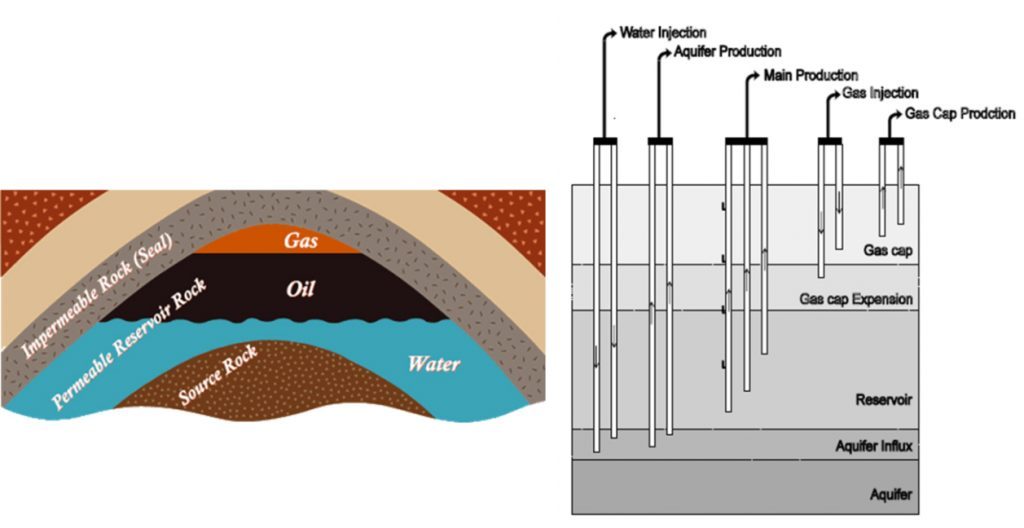
Reservoir engineering is a discipline devoted to the ultimate source of value to E&P operators—the reservoir. Through reservoir modeling studies, reservoir engineers endeavor to increase hydrocarbon production and maximize exploration and production assets.
The volume of oil and gas produced from a reservoir ultimately determines the economic viability of the asset. Reserves calculations—a primary responsibility of reservoir engineers—predict the total hydrocarbons available for extraction.
After reservoir engineers calculate hydrocarbons in place, they apply recovery factors to determine the ultimate recovery potential. These calculations are performed throughout the life of a field to help engineers create field development plans, well proposals, recovery procedures and reservoir management programs.
When a field is appraised, the reservoir engineer is part of a team that evaluates geologic, geophysical, geomechanical, drilling, completion and well data, which are integrated into a plan to optimally produce the reserves. In addition, reservoir engineers model fluid dynamics in the surface piping networks that transport produced hydrocarbons from the wellbore to production facilities.
Reservoir engineering is a discipline devoted to the ultimate source of value to E&P operators—the reservoir. Through reservoir modeling studies, reservoir engineers endeavor to increase hydrocarbon production and maximize exploration and production assets.
The volume of oil and gas produced from a reservoir ultimately determines the economic viability of the asset. Reserves calculations—a primary responsibility of reservoir engineers—predict the total hydrocarbons available for extraction.
After reservoir engineers calculate hydrocarbons in place, they apply recovery factors to determine the ultimate recovery potential. These calculations are performed throughout the life of a field to help engineers create field development plans, well proposals, recovery procedures and reservoir management programs.
When a field is appraised, the reservoir engineer is part of a team that evaluates geologic, geophysical, geomechanical, drilling, completion and well data, which are integrated into a plan to optimally produce the reserves. In addition, reservoir engineers model fluid dynamics in the surface piping networks that transport produced hydrocarbons from the wellbore to production facilities.
A Defining Series article “Reservoir Engineering” explains the basic concepts of reservoir modeling and describes the various rock, fluid, and production data that enable more accurate prediction and evaluation of fluid flow in reservoirs. Read the article here.
The Defining Series provides E&P professionals with concise, authoritative, up-to-date summaries of a wide range of industry topics. See the “Reservoir Engineering” article and other summaries in the Defining Series library.